Winnow
2022–present | Lead frontend engineer
Winnow aims to solve a huge problem: Over a third of the food that's ever grown is never eaten. Winnow solves this by building AI-based tools to help chefs run more profitable and sustainable kitchens. Kitchens that use Winnow tend to see a 40-70% reduction in food waste within 6-12 months, improving margins whilst doing the right thing for the planet.
I work as lead frontend developer where I architect and build the products, whilst also managing the frontend engineers that help deliver them.
My role
Lead frontend engineer- leading four frontend engineers and overseeing five projects.
Winnow Foresight
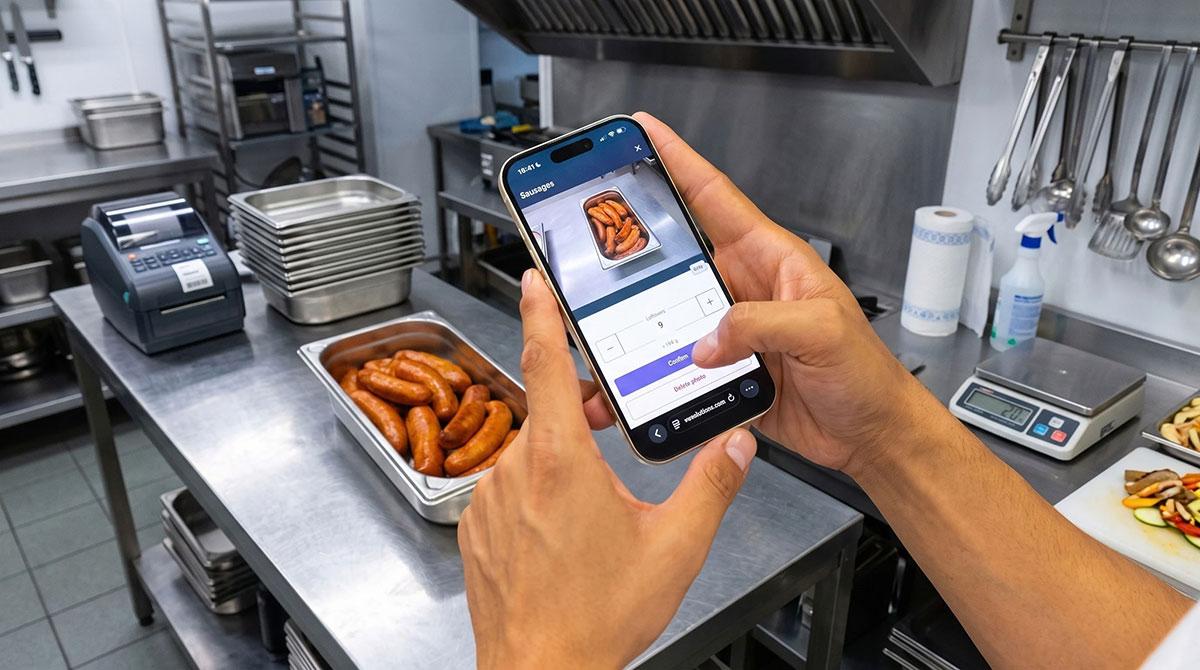 Food waste recording via the Snap & Go feature
I architected and built the Winnow Foresight project, a greenfield Vue.js web-app product which helps commercial chefs reduce their food wastage. Foresight uses photo uploads of food wastage with AI to understand what is being wasted, then used to produce accurate daily food production forecasts. Foresight is used around the world by hotel chains Hilton, Marriott, Iberostar and also in IKEA stores.
Foresight's core feature Snap & Go allows chefs to capture food waste without having to use a weighing scale, saving chefs precious time. Photos are taken uploaded via the app, then validated and weight estimated via an LLM in real-time. The frontend subscribes to updates via a WebSocket which the chefs just need to confirm.
As part of a small cross-functional team we ideate and plan new features together using our in-house AI-based scoping, build and review workflow. After delivery, monitoring usage and validation with real-world kitchen staff is crucial to ensure we're delivering the features that matter.
As the product grows I help to manage performance, localisation, scalability and usability concerns.
Tech: Vue.js, TypeScript, WebSockets, RudderStack, Sentry.
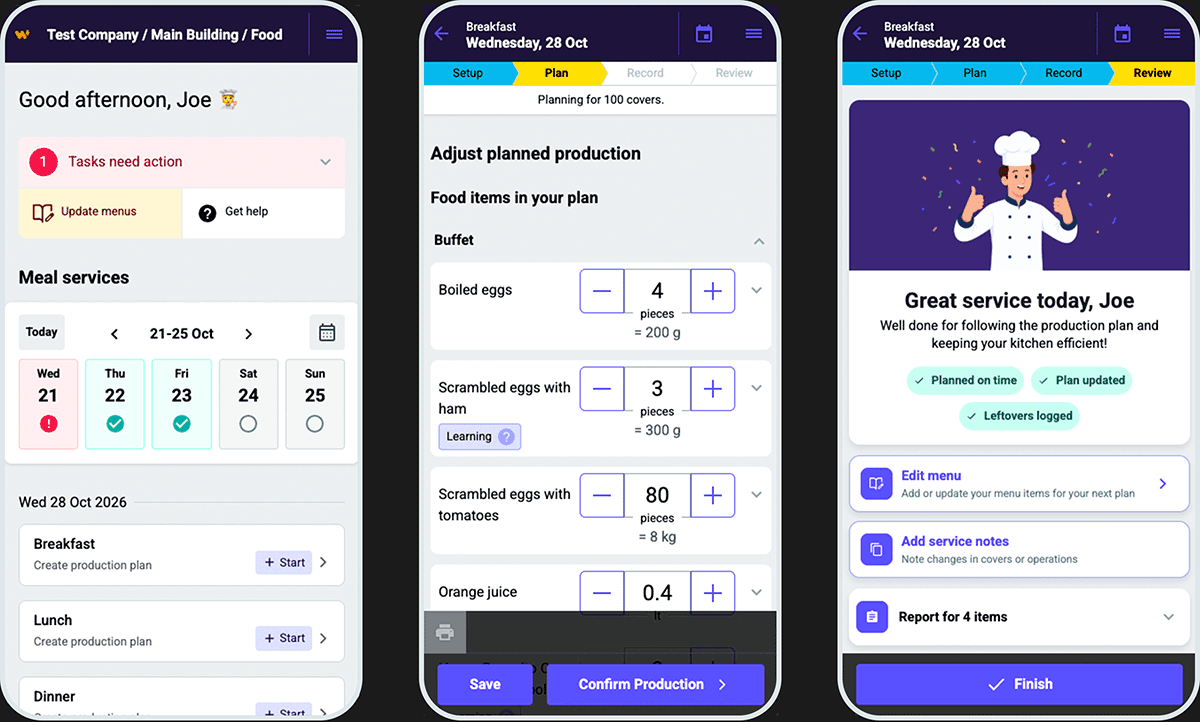 Home - Adjusting food item forecast - Meal service report
Winnow Vision
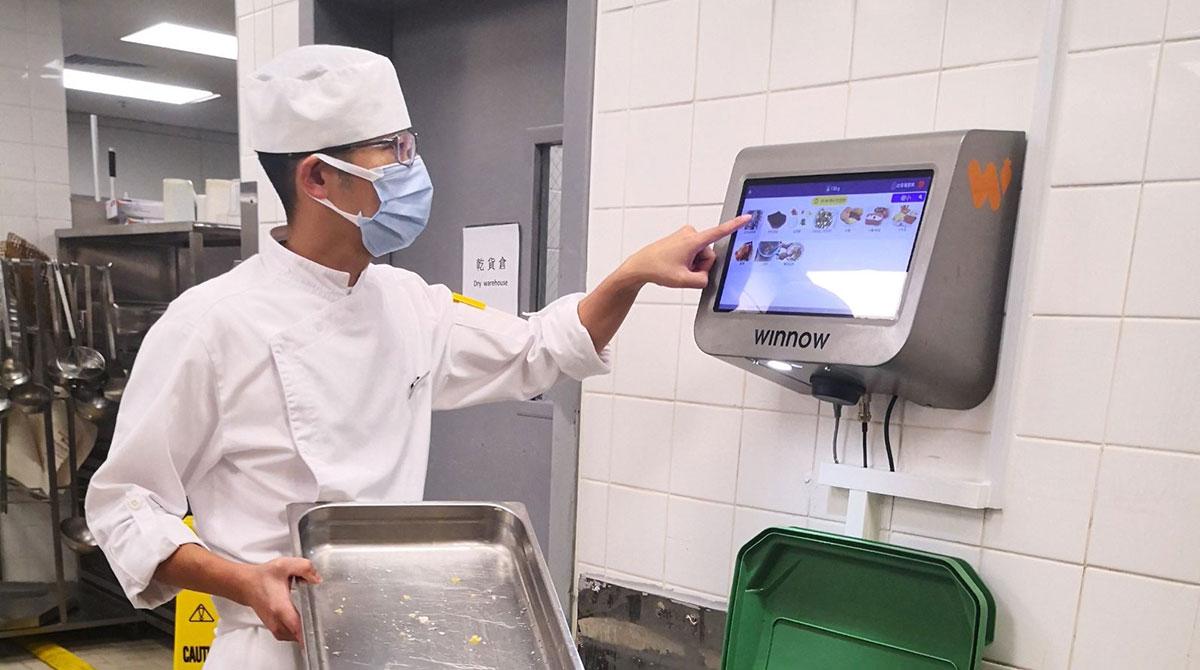
I also architected the new Winnow Vision food waste recording software using React Native which runs on in-house hardware in over 2,500 kitchens - including every IKEA store kitchen. Firstly, using an integrated camera and weighing scale the system captures food waste data as it's disposed of. The app's frontend then allows users to review food item categorisation predications that are made via an LLM in real-time. In a high-paced environment like a commerical kitchen, this repeated minimal-touch flow works for the chef and not against them.
This food waste data is then used in monthly and interactive reports, and provides actionable insights for chefs to minimise wastage in the future.
With a variety of device hardware already in our fleet portfolio, we need to carefully manage performance issues to ensure backwards compatibility. We also need to manage localisation concerns as our customers are based all around the world.
Tech: React Native, TypeScript, MQQT messages via STOMP.js, RudderStack, Sentry.
Team management
In this hybrid role I also manage the four-person frontend engineering team, which includes:
- Facilitating improvements to communiction and collaboration between disperate project team members
- Setting the coding standards and best practices for the team to follow
- Creation of a centralised repository for shared UI components, in order to standardise our UIs and speed up feature development
- Transitioning our working practices towards AI-based code generation and review using Claude
- Leading group research into new tools, group design sessions and bug retrospectives
- Team recruitment and mentorship